WASATCH RESOURCE RECOVERY’S RESIDENTIAL PUBLIC FOOD WASTE DROP-OFF
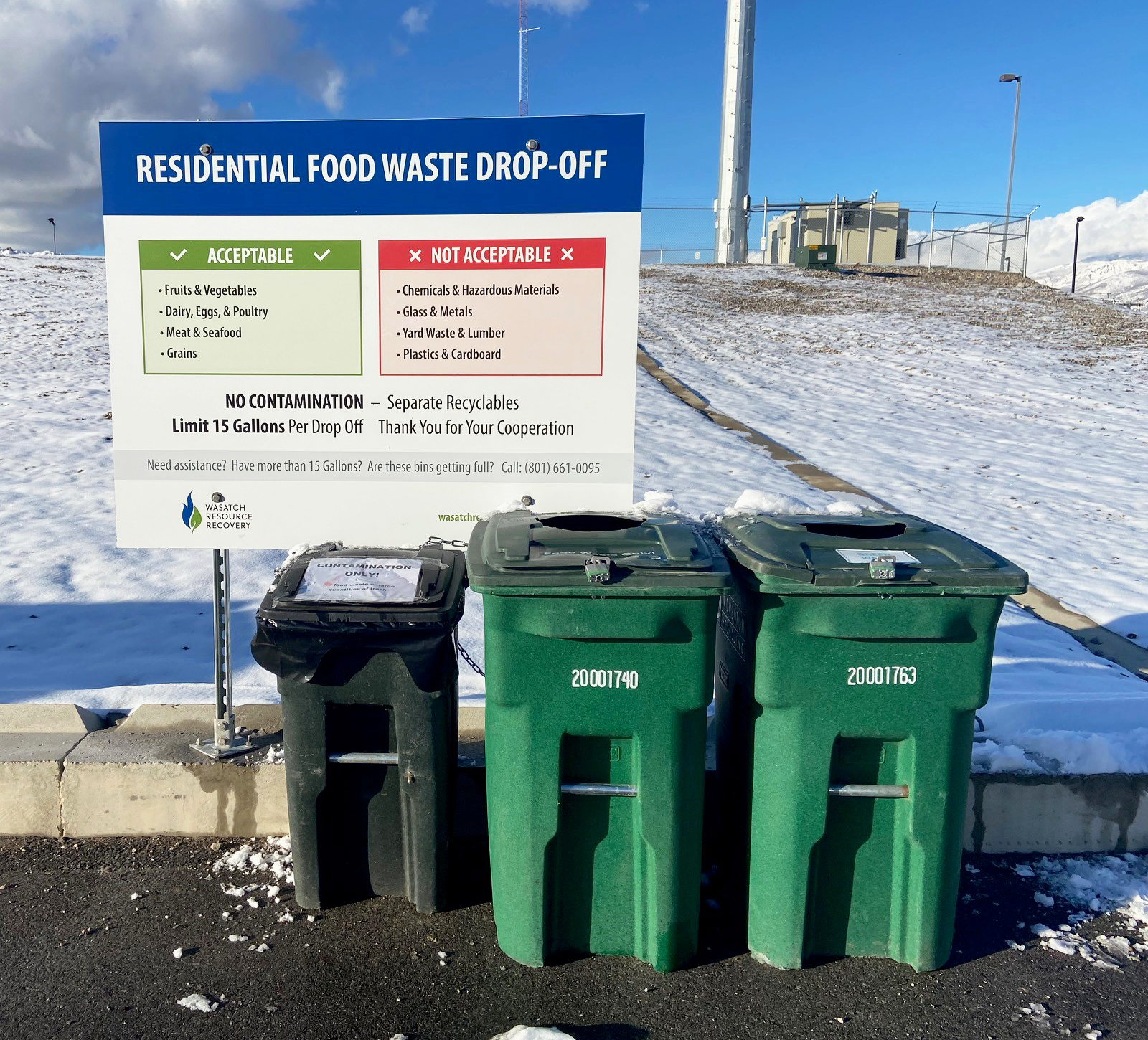
Wasatch Resource Recovery has launched a community resource to reduce food waste! The residential public drop-off is now OPEN, check out all the details below and reach out if you have any questions.
Residential Public Drop-Off Details
Who: You, your family, friends, and neighbors!
What: An alternative destination for household food waste
When: Monday – Friday – 7:00am to 5:00pm | Saturday – 7:00am to 3:00pm | Sunday, closed
Where: Just inside the gates of Wasatch Resource Recovery, 1370 W Center St, North Salt Lake, UT 84054
Why: Divert waste from the landfill and help produce renewable biogas!
PUBLIC DROP-OFF AND WASATCH RESOURCE RECOVERY FAQS
Q: Is there a charge to use the public drop-off?
A: There is no charge to use the public drop-off location. If you have more than 15 gallons of material to dispose of, please contact us at (801) 266-9161.
Q: Can the waste be frozen or expired?
A: Yes!
Q: How often can I come drop off my food waste?
A: As often as you have it. Try to combine trips to reduce vehicle emissions!
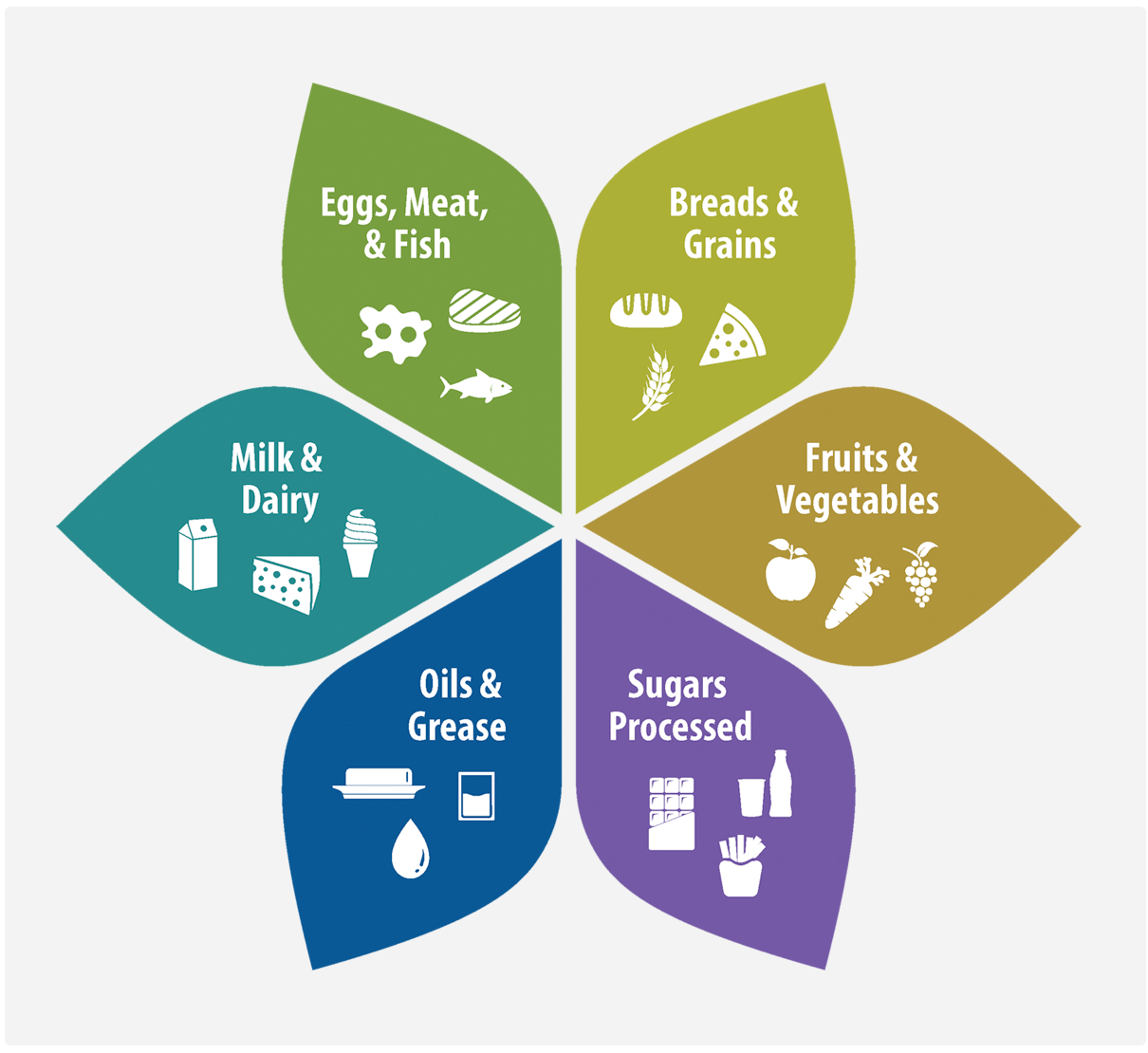
*if you have used cooking oil to dispose of, please give us a call
Q: How often can I come drop off my food waste?
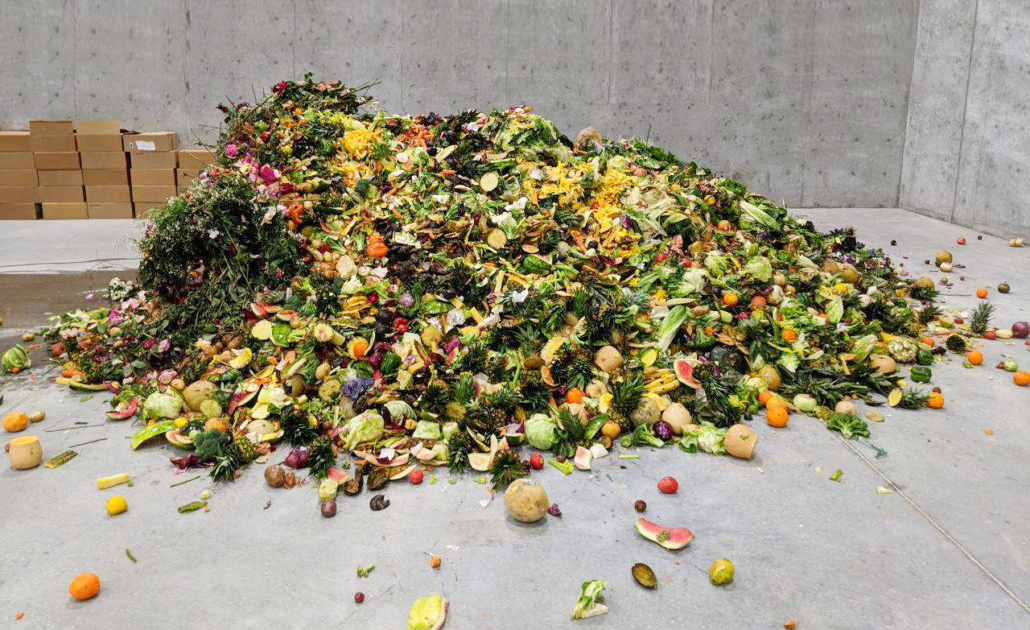
A: Here’s a list of food waste that can be put in the drop-off:
- Fruit and vegetables
- Meat/fish/poultry
- Grains
- Pizza crusts
- Coffee grounds
- Cheese
- Pet food
- Leftovers
- Eggs
- Butter/oils*
- Unopened canned food (if the cans have already been opened, please separate the food waste from the can and recycle the can separately)
Q: What kind of waste is prohibited?
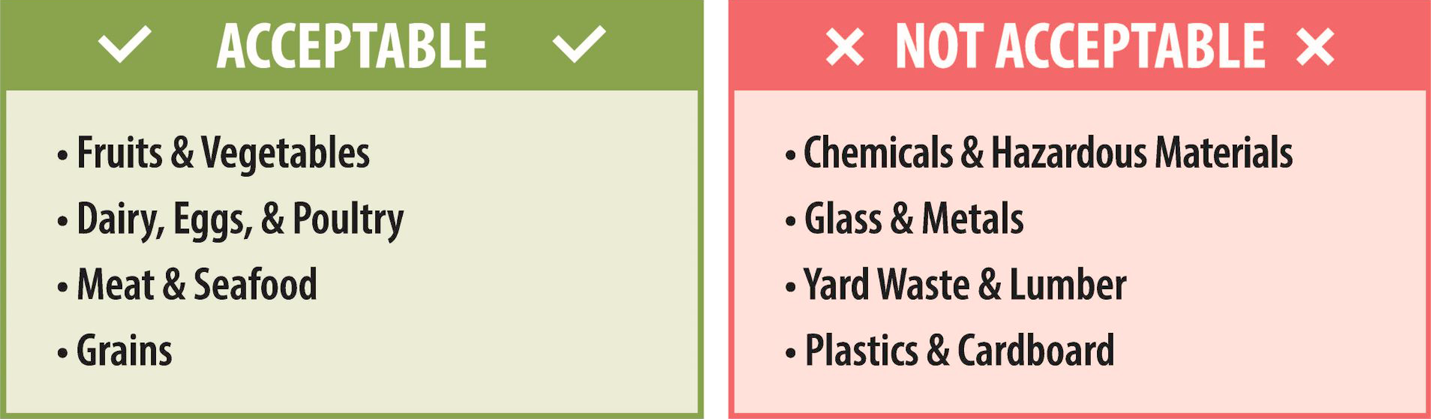
A: Here is short list of prohibited items:
- Yard waste
- Wood
- Empty plastic or carboard containers, metal cans, or wrappers
- Compostable silverware/containers
- Toxic/hazardous material
Q: I am worried about smells/messes – is there a way to minimize this?
A: At WRR our preference is to keep as much contamination out of the bins as possible and for containers to be recycled separately. However, we have state-of-the-art equipment that can pull out contaminants, such as cans and plastic bags. If you would like to place your food waste in a clear plastic or bio-bag, this can eliminate mess and odors.
Q: Why should I divert waste from the landfill?
A: In 2018, the EPA released a report about food waste in the U.S. They found that the ‘residential sector’ (single/multi-family homes) wasted 25 million tons of food! Sixty six percent (66%) of that food waste was sent to the landfill, only 3% was composted and the rest was incinerated or went to wastewater treatment facilities. Food, and other waste we think of as ‘biodegradable’, does not break down in the landfill as quickly as you would expect – landfills lack oxygen which slows down the decomposition process. As waste slowly degrades it releases methane (a harmful greenhouse gas) into the atmosphere.
In the same study done in 2018, the EPA states that around 24% of landfill space is taken up by food waste. Landfills have a large footprint, cost time and resources to maintain, and can cause permanent damage to the surrounding environment. Anything we can do to save space in the landfill is a huge help!
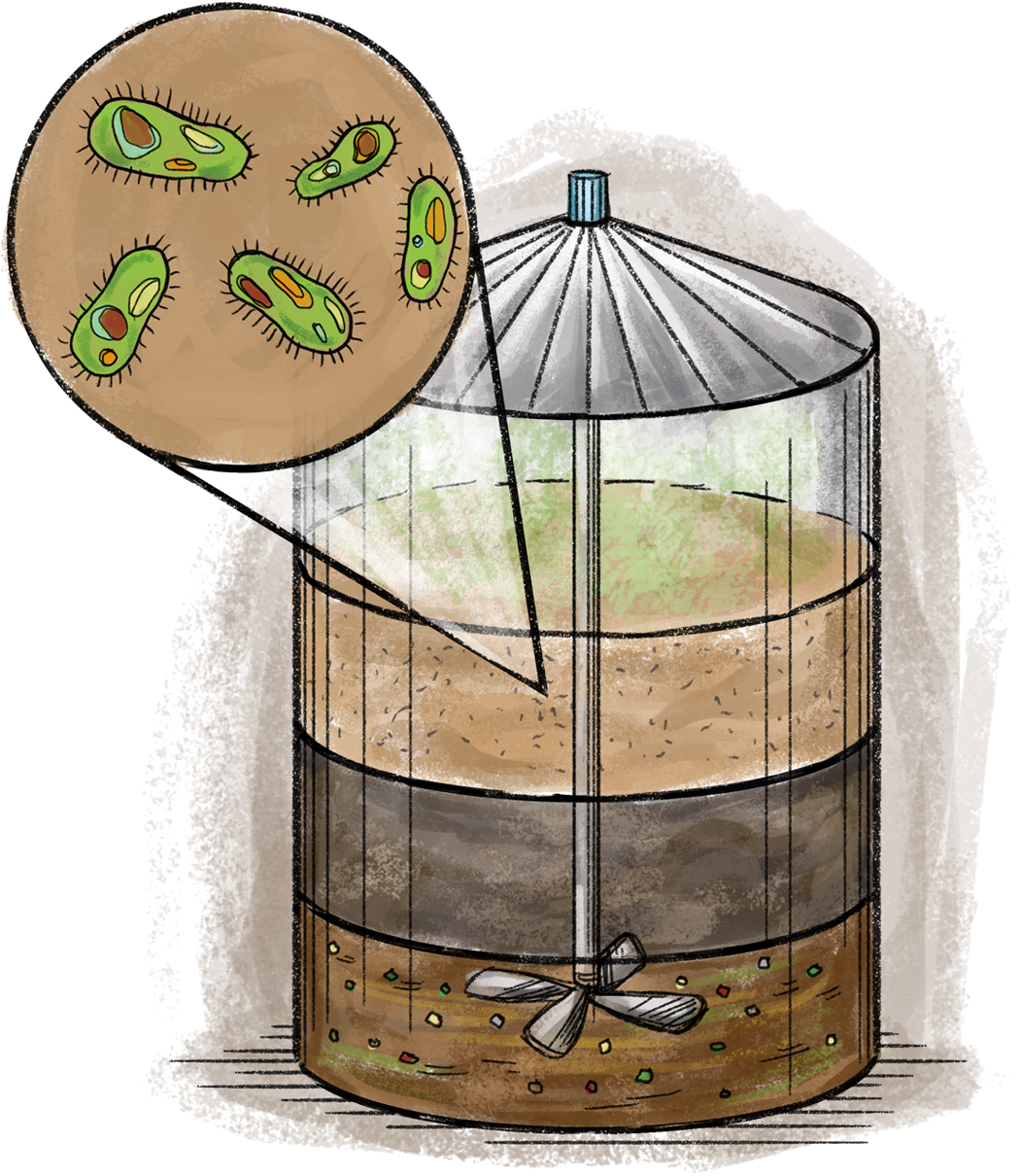
Wasatch Resource Recovery offers a sustainable destination for food waste. Our site uses the technology of anaerobic digestion to break down food waste and convert it to renewable natural gas and biosolids (nutrient rich fertilizer). Check out our website for a more in-depth look at the process.
Q: What is anaerobic digestion?
A: A digester, like its name suggests, functions similarly to many animals’ digestive system. It breaks down food waste and turns it into biogas and biosolids, which are eventually refined to natural gas and fertilizer. The natural biological processes use microorganisms to break down biodegradable material in an enclosed tank without oxygen.
Q: Looking for more information regarding food waste collection?
A: If you are a business interested in diverting food waste, feel free to contact us directly to explore options. To learn more about food waste hauling in and around Utah, visit SLC’s recycling page Authorized Haulers | Sustainability (slc.gov) and contact your current hauler to learn about their food waste hauling options.