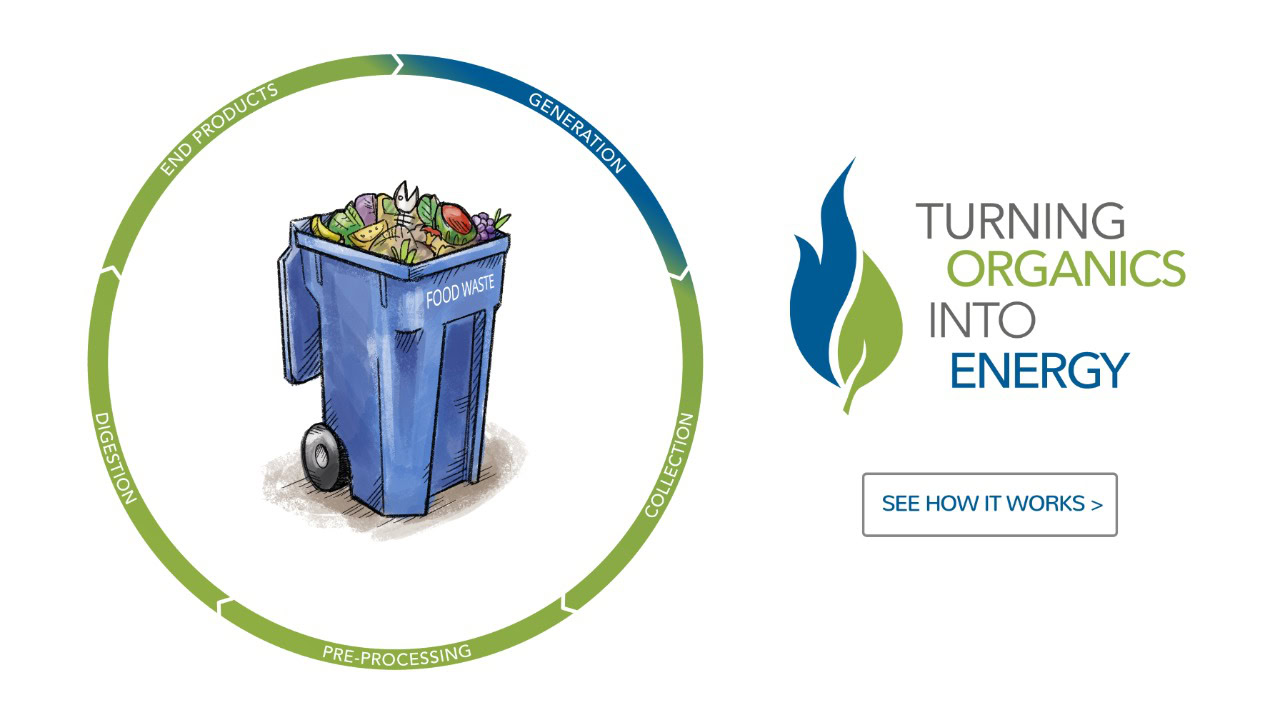



Food Waste BinSee How It Works
Grind
Digester
Renewable Energy
Bio-based Fertilizer
Food Waste BinSee How It Works
Grind
Digester
Renewable Energy
Bio-based Fertilizer

Wasatch Resource Recovery’s Residential Public Food Waste Drop-Off is Now Open!

Who: You, your family, friends, and neighbors!

What: An alternative destination for household food waste

When: Monday-Friday: 7am-5pm, Saturday: 7am-3pm, Closed Sundays

Where: Just inside the gates of Wasatch Resource Recovery, 1370 W Center St, North Salt Lake, UT 84054

Why: Divert waste from the landfill and help produce renewable biogas!
Residential Public Food Waste Drop-Off
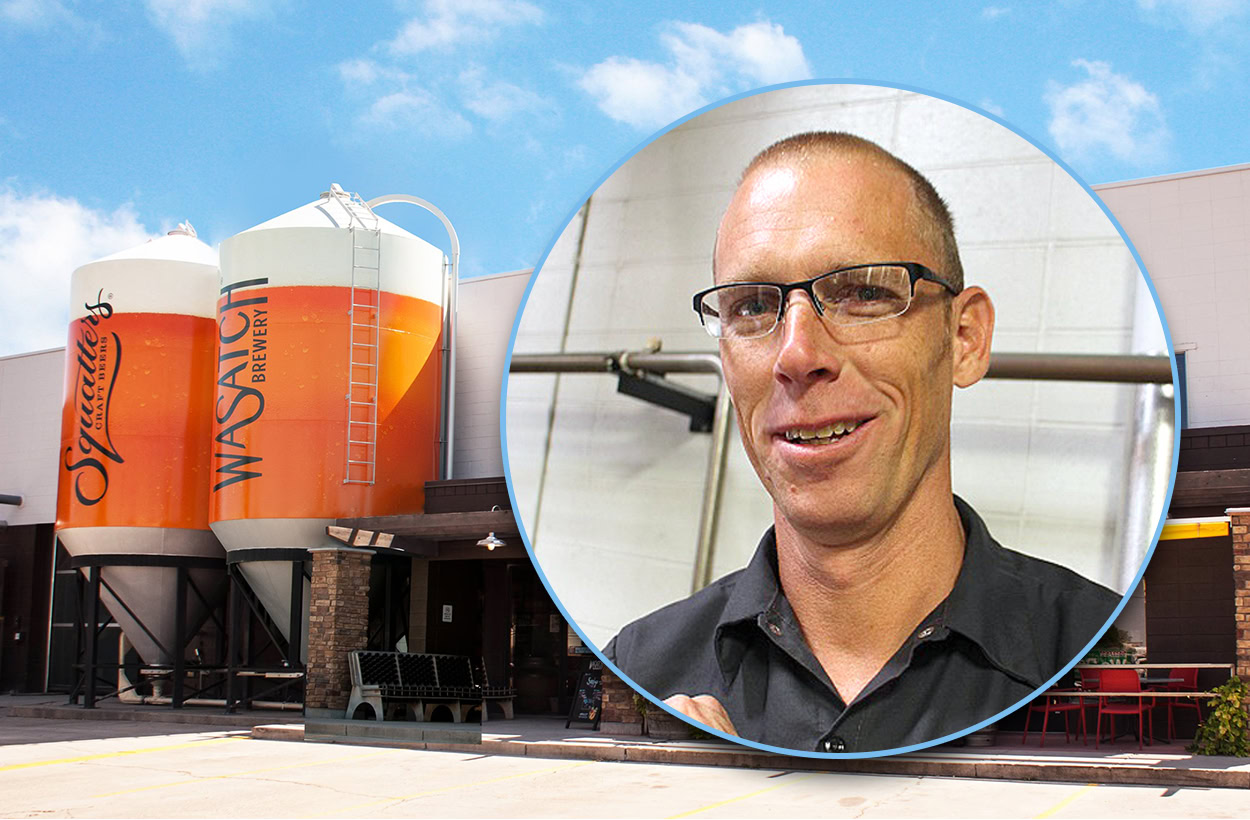
“The craft scene in Utah is a tight knit group of passionate people, and it is a top priority for us to be responsible stewards of the community.”- Jon Lee, Brewmaster, Squatters Craft Beer and Wasatch BrewerySEE CASE STUDY
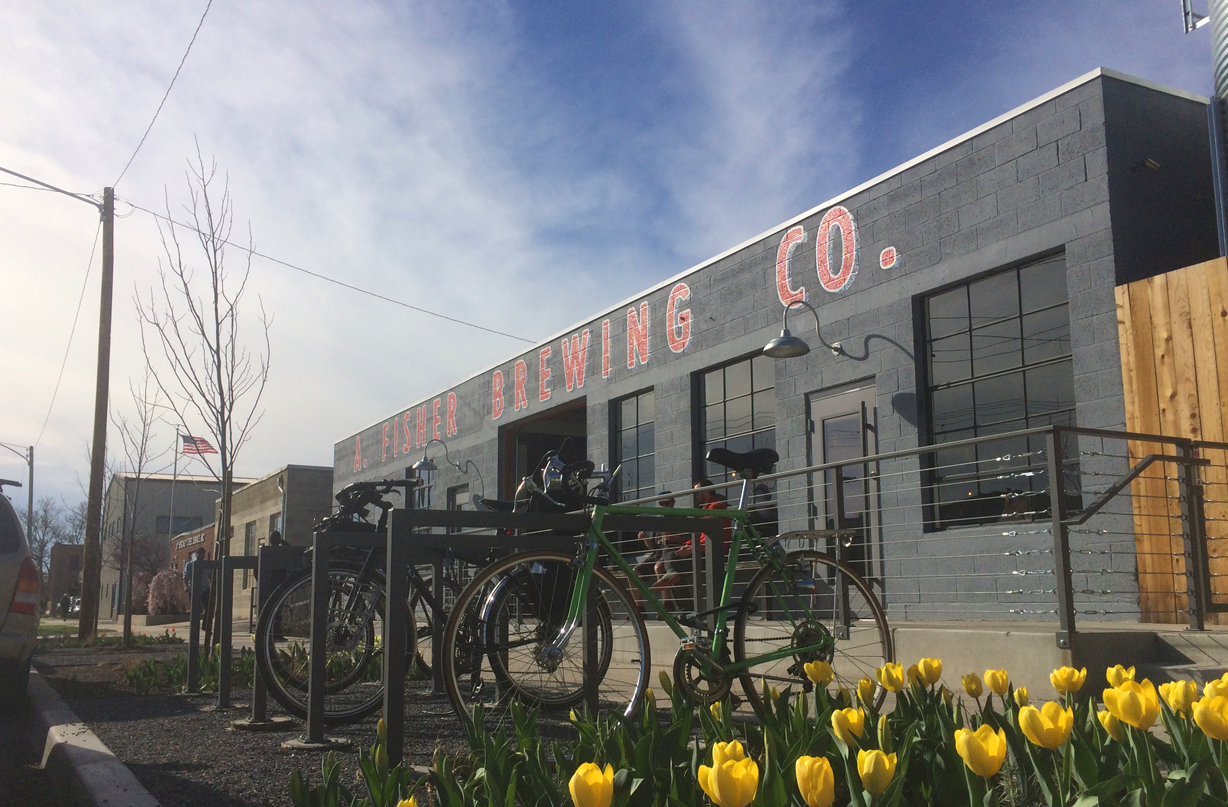
“While we might be small cookies in the overall scheme of things, it makes us feel good helping out the environment and our community by sending our brewing waste to Wasatch Resource Recovery.”- Tom Riemondy, Founder, Fisher Brewing Co.Fisher BrewingSEE CASE STUDY
“Turning our food waste into a renewable fuel helps us honor our commitment to be good stewards of the environment and community, while helping us reduce our carbon footprint.”- Kate Whitbeck, Director of Sustainability, Harmons GroceryKate WhitbeckSEE CASE STUDY
“The craft scene in Utah is a tight knit group of passionate people, and it is a top priority for us to be responsible stewards of the community.”- Jon Lee, Brewmaster, Squatters Craft Beer and Wasatch BrewerySEE CASE STUDY
“While we might be small cookies in the overall scheme of things, it makes us feel good helping out the environment and our community by sending our brewing waste to Wasatch Resource Recovery.”- Tom Riemondy, Founder, Fisher Brewing Co.Fisher BrewingSEE CASE STUDY
“Turning our food waste into a renewable fuel helps us honor our commitment to be good stewards of the environment and community, while helping us reduce our carbon footprint.”- Kate Whitbeck, Director of Sustainability, Harmons GrocerySEE CASE STUDY

The impact is clear!

pounds of food waste diverted from the landfill

dekatherms of gas created

homes heated for a day

Diverting Organic Waste to the Anaerobic Digester

Wasatch Resource RecoveryStep 1: Organic waste is separated
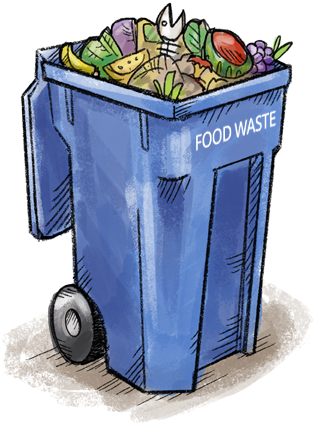
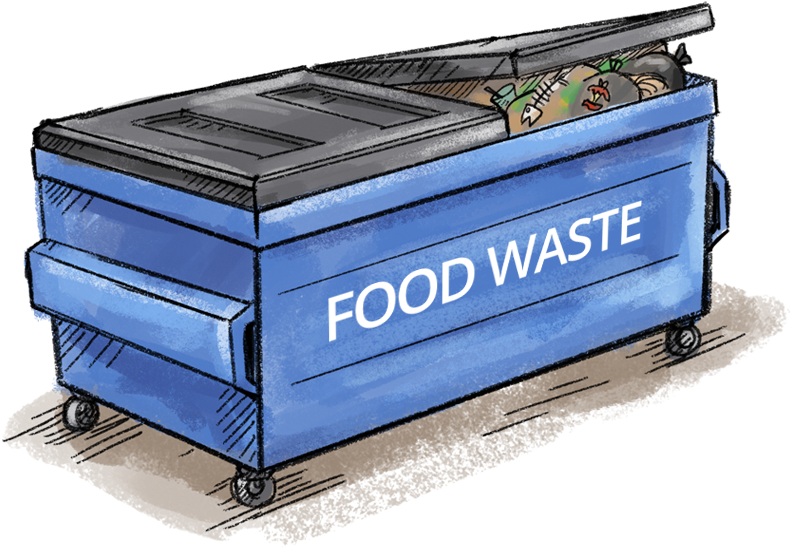
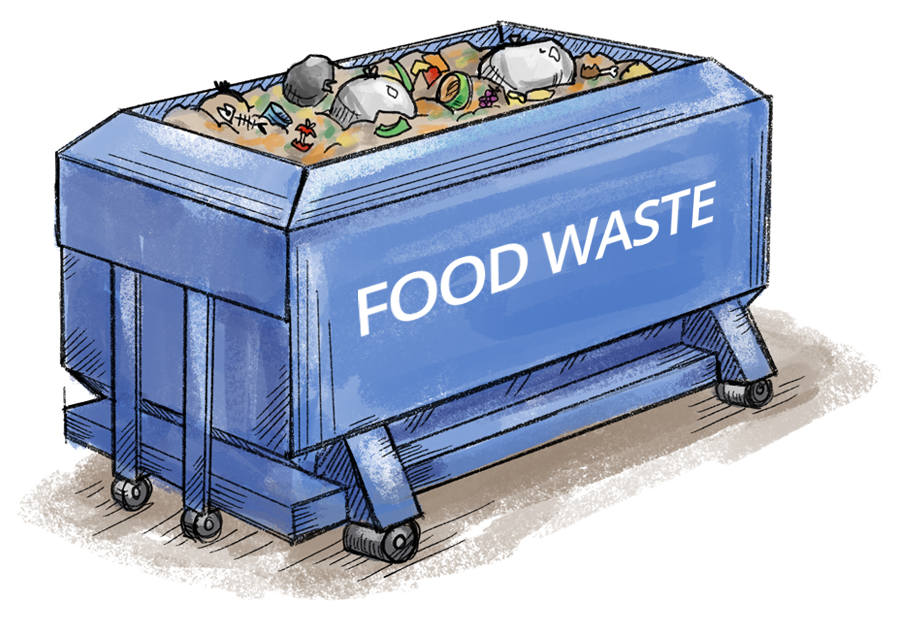
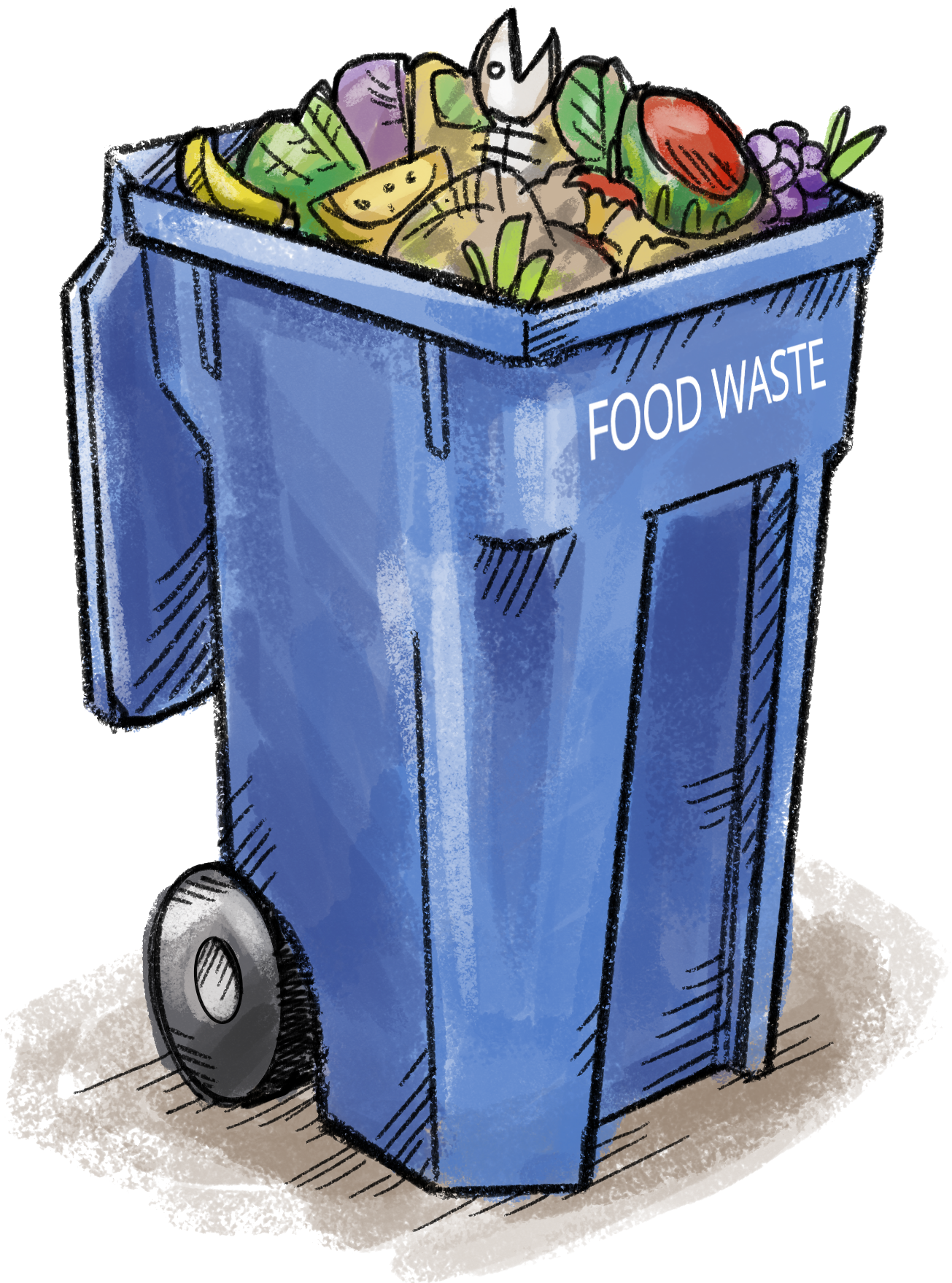
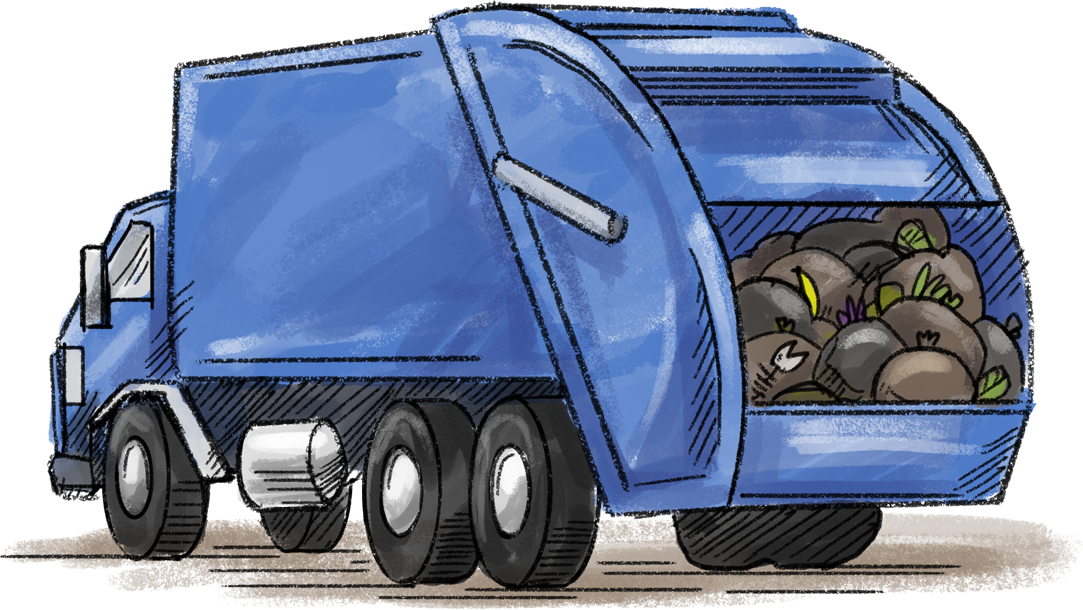
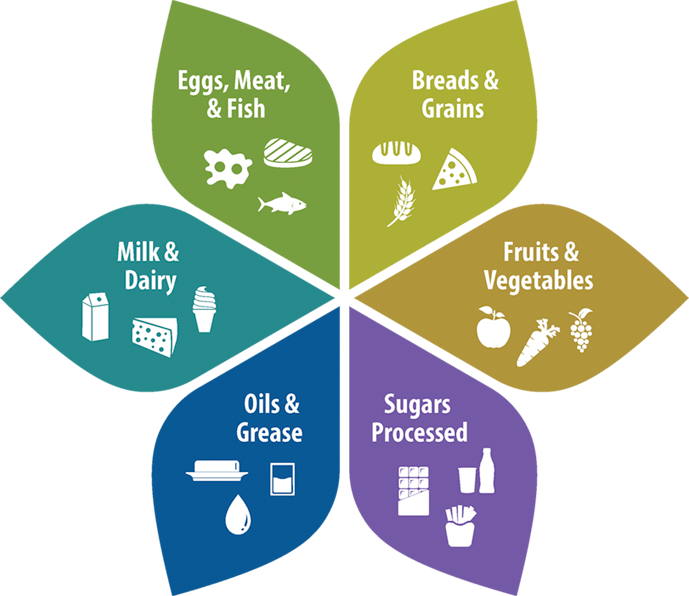
Source separated organic waste (SSOW) is placed in a designated collection container at your place of business. Food waste can be contained in plastic bags and/or packaging.

Food Waste Bin
Food Waste Dumpster
Food Waste
See next step

Wasatch Resource RecoveryStep 2: Collection and delivery

Collection and delivery

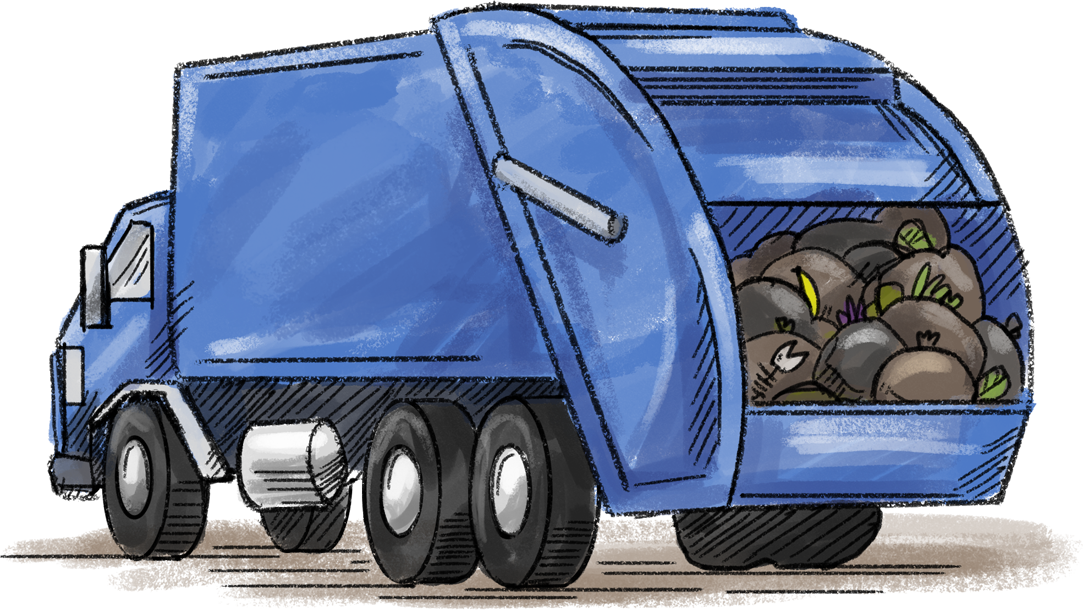
Organic waste is collected by your hauler, transported to North Salt Lake and delivered to the Wasatch Resource Recovery facility.

See next step

Wasatch Resource RecoveryStep 3: Pre-processing/De-packaging

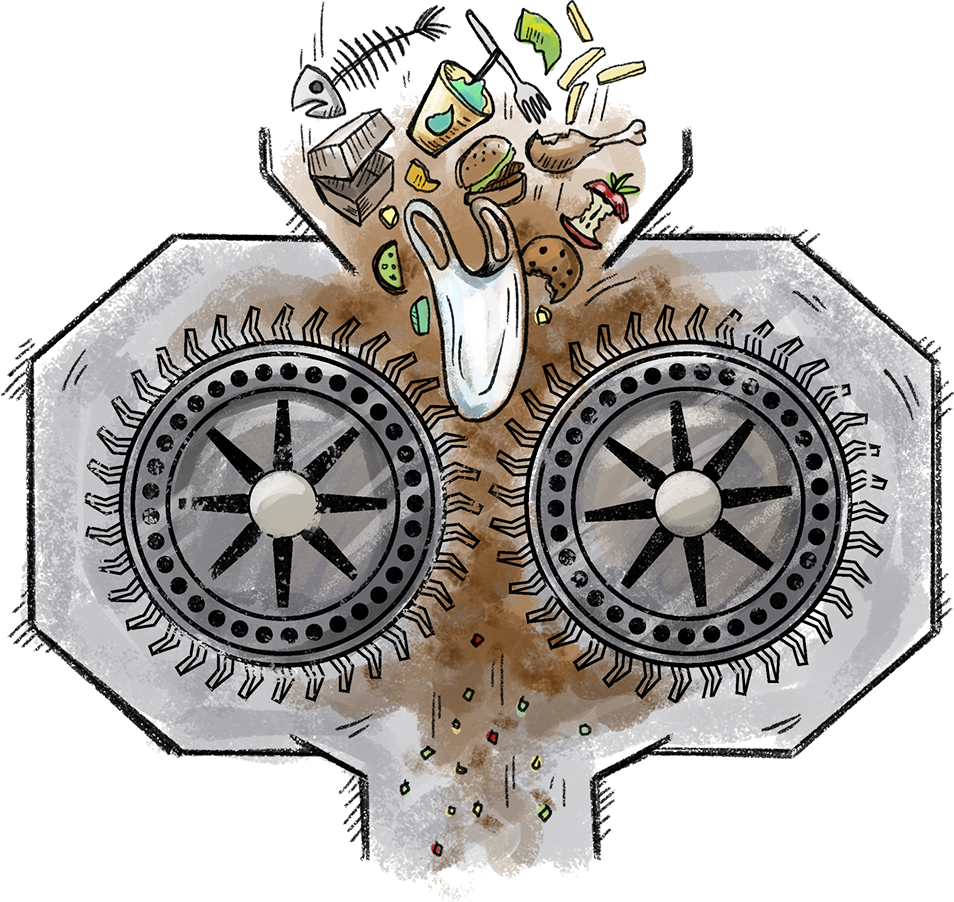
Organic waste is received at the facility and processed by a series of machines that will remove any contaminants or non-food material.

A. Grind

Organic waste enters a grinder where it is chopped into small pieces

Grind
Liquefy

B. Liquefy

Secondary water is added to the ground-up organic waste and mixed vigorously until it reaches a liquid state. By using secondary water, no potable water is used in this process.

C. Screen

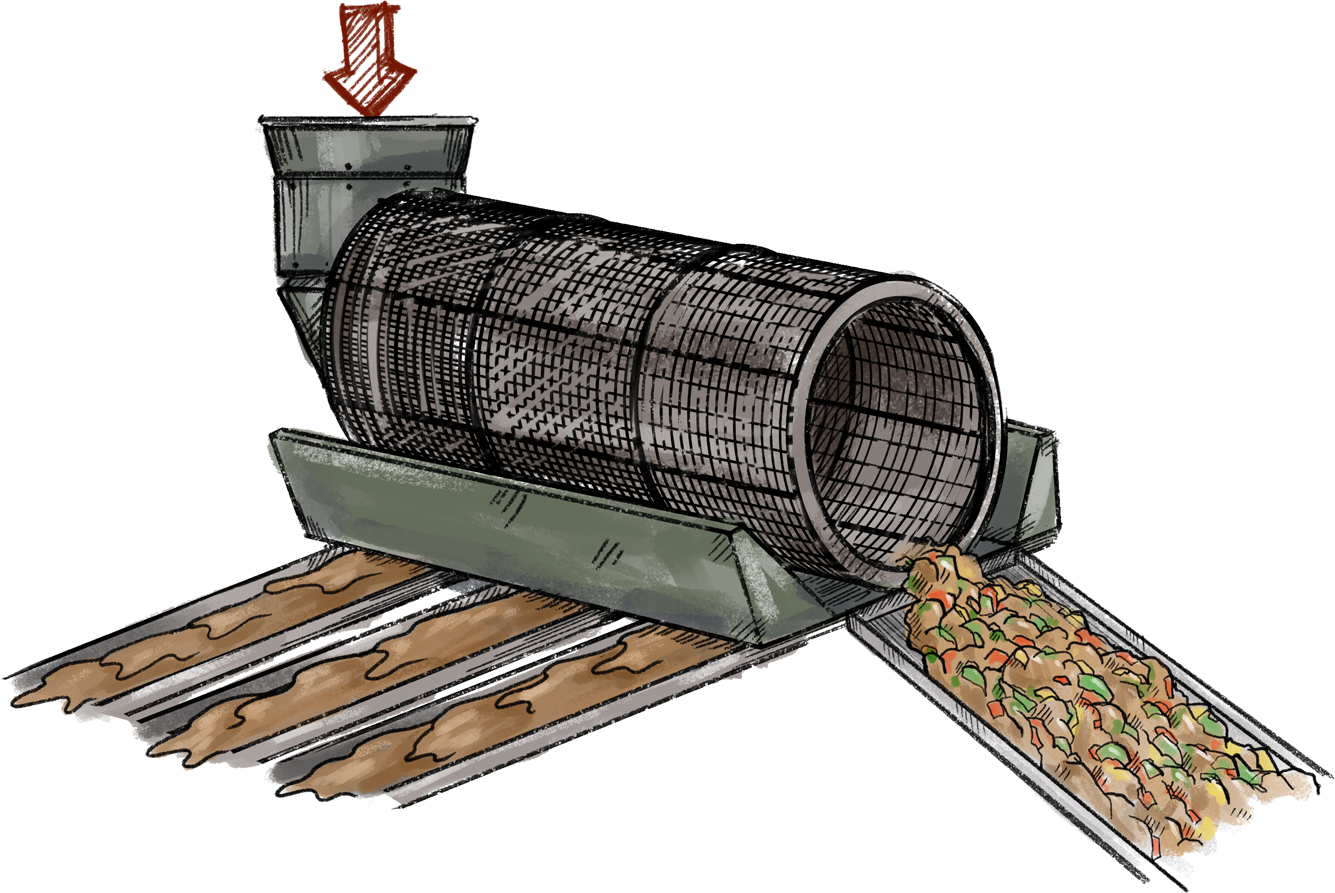
The material passes through a rotating screen where any packaging or contaminants are washed free of remaining organic material and removed, while all organic material is fed into the digester.

Screen
See next step

Wasatch Resource RecoveryStep 4: Digest

Digester

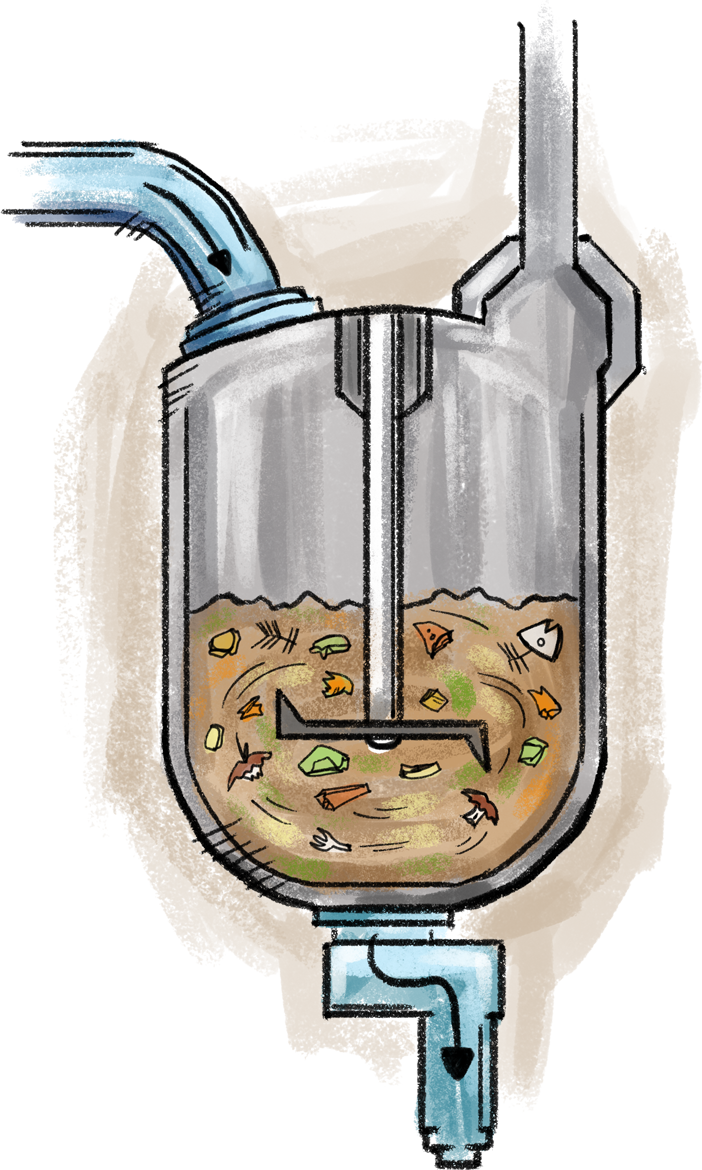
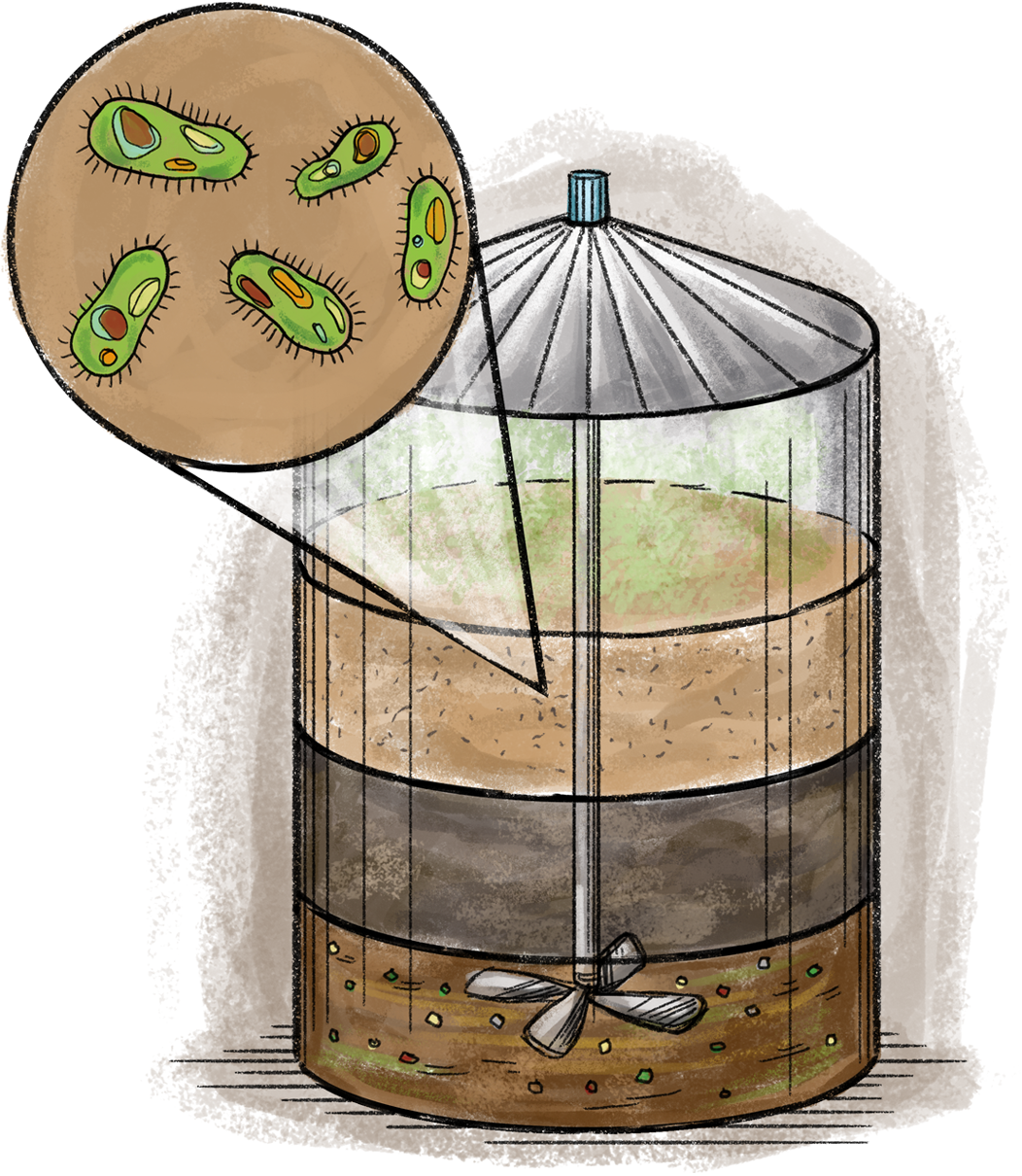
Organic waste in the digester is heated to aid the growth of microbes. These microbes break down in the organic matter, without the use of oxygen, resulting in biogas production.

See next step

Wasatch Resource RecoveryProduct 1: Renewable Energy

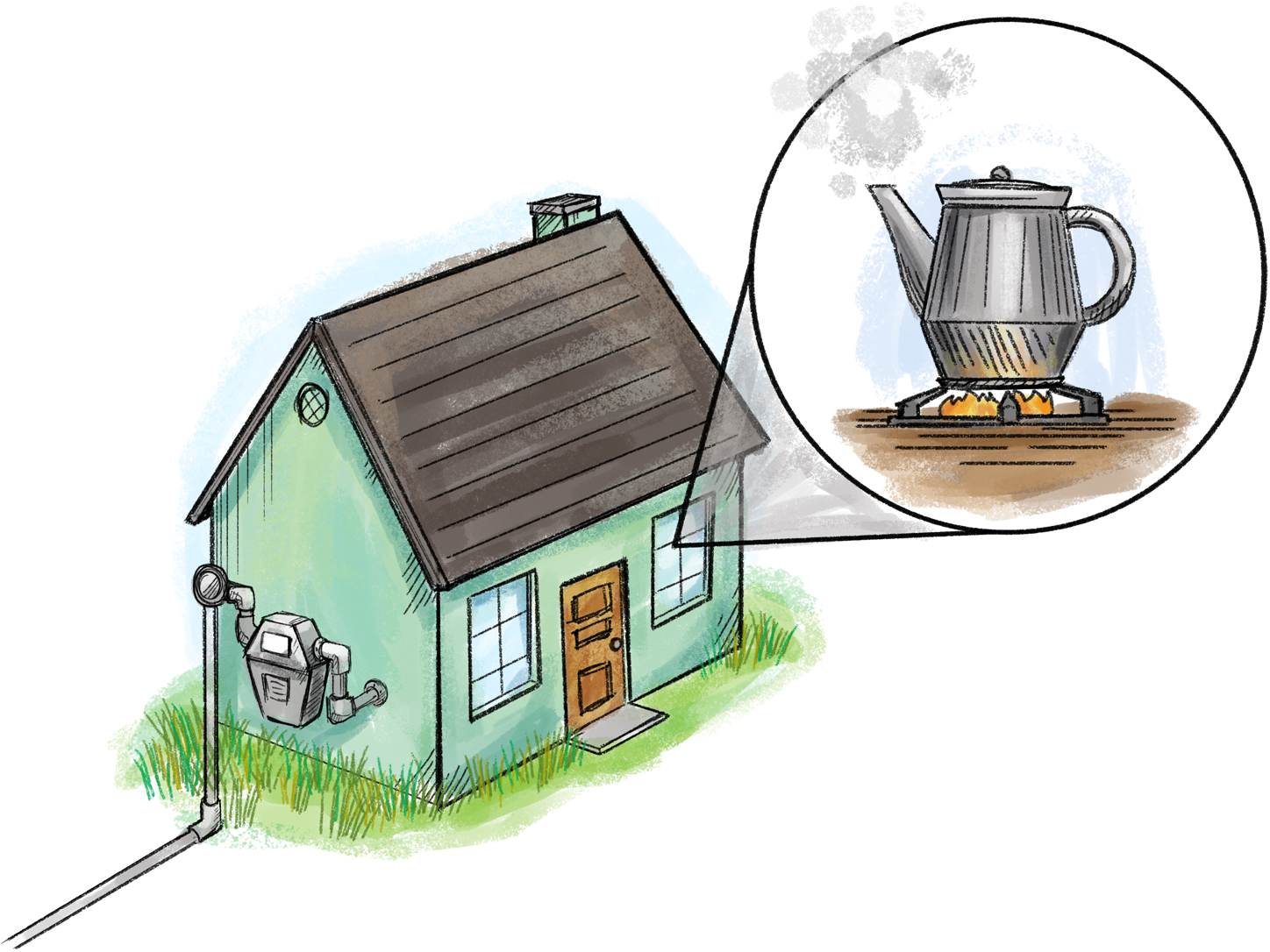
Biogas is captured and purified before it is converted into biomethane (renewable natural gas) and fed into the nearby gas pipeline and sold into the market as renewable “green” power. WRR will supply enough natural gas for approximately 40,000 people or 15,000 homes, a community the size of Bountiful, Utah.

Renewable Energy

Wasatch Resource RecoveryProduct 2: Bio-based Fertilizer

Bio-based Fertilizer

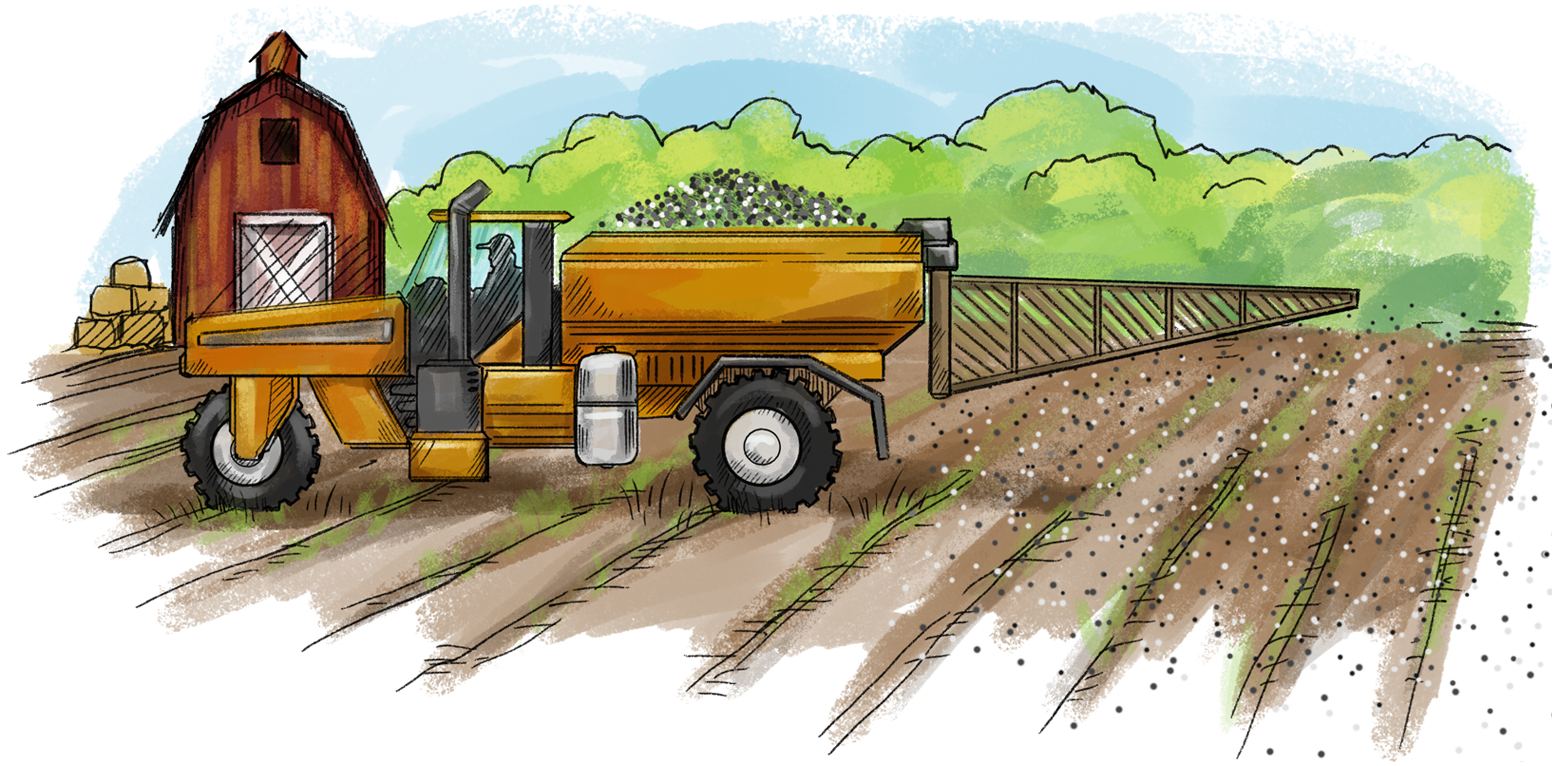
The remaining product is a nutrient-rich, carbon-based fertilizer used to grow crops.

Additional Info: Organic Waste Facts

Organic waste

Organic waste makes up nearly 30% of our landfills, which, if diverted, can result in considerable cost savings for businesses, institutions and service providers.

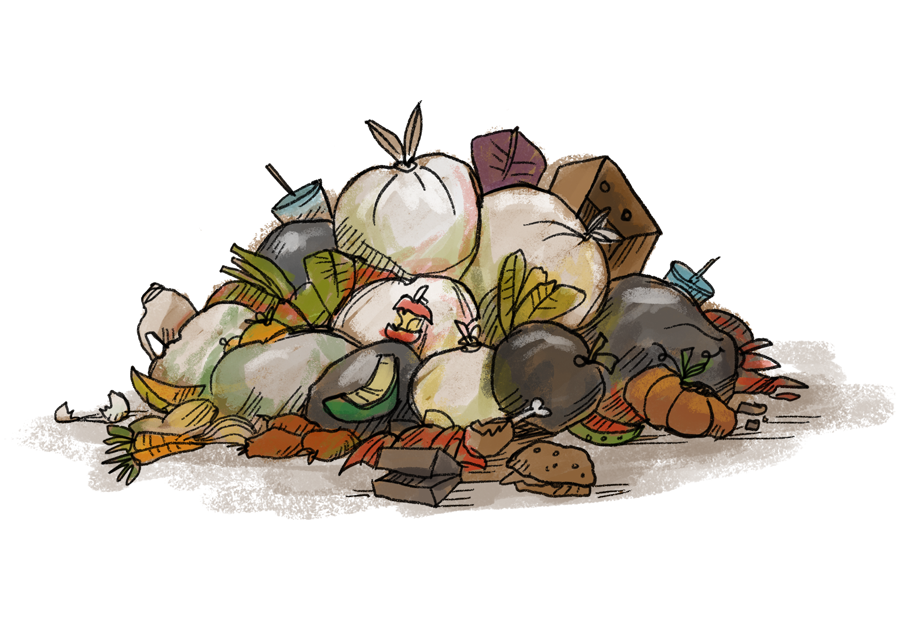
Organic waste can include fruit, vegetables, meat, bones, dairy, fats, liquids, raw food, prepared food, food processing waste, brewery waste, canned and bottled waste, etc.

Food Waste

Tipping fees for the Wasatch Resource Recovery Facility will be considerably less than the average landfill along the Wasatch Front.*

*Based on 7-8% contamination rate by weight.